

Close icon

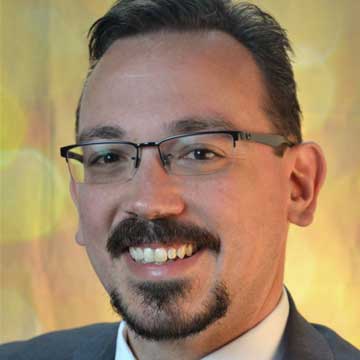
AARC Election 2027 — Mike Hess

Mike Hess

Ambulatory and Post-Acute Care Section Chair

Mike Hess, RRT, RPFT, MPH

Senior Director of Advocacy and Regulatory Affairs
COPD Foundation

AARC Member Since 2006

AARC Activities:

  • Ambulatory and Post Acute Care Section, Chair 2026-2027
  • Member, Program Committee, 2020.

Affiliate Activities:

  • President, Michigan Society for Respiratory Care, 2019
  • President-Elect, Michigan Society for Respiratory Care, 2018
  • District Representative, Michigan Society for Respiratory Care, 2008-2017.

Education and Credentials:

  • RRT, Kalamazoo Valley Community College, 2006
  • RPFT, National Board of Respiratory Care, 2017
  • MPH, Western Michigan University, 2019

Publications:

  • Evaluation of Over-the-Counter Portable Oxygen Concentrators Utilizing a Metabolic Simulator, Respiratory Care journal, contributor, 2023.
  • Supplemental Oxygen Management by Respiratory Therapists Is a Blueprint for Lowering the Burden of COPD on the Health Care System, Respiratory Care journal, author, 2022.
  • Measuring Peak Inspiratory Flow in Patients with Chronic Obstructive Pulmonary Disease, International Journal of COPD, contributor, 2022.
  • The 2017 Global Initiative for Chronic Obstructive Lung Disease Report and Practice Implications for the Respiratory Therapist, Respiratory Care journal, author, 2017.

Elections Committee Questions:

What do you see as the biggest challenge facing the AARC and what do you recommend addressing it?

I believe the biggest challenge facing us is recruitment and retention. We have been hit hard by the pandemic, arguably harder than virtually any other health profession. That is exacerbating a shortage of RTs that was evident even before 2020. We have too many therapists who face too many barriers (real or perceived) to advancement or job satisfaction, which leads them to seek career opportunities outside the field. We also have too few younger folks in the recruitment pipeline, because people are still really only just now discovering what RTs are and what we do.

Be An RT and More RTs are great starts, but we will need to build on that momentum. I say “”we”” because while AARC needs to lead and provide the vision, I believe it’s really up to EVERY RT to be an advocate for the profession and to lead the charge for new career paths at the institutional level. We also need to forge new alliances with other healthcare professional organizations for mutual support and collaboration.

Health care is changing more rapidly than ever. What ideas do you have to help today’s Respiratory Therapist meet these challenges?

We need to make sure that change is happening WITH us rather than TO us. Accordingly, RTs and RT leaders have to be as involved as possible in establishing policy in their institutions and with policy/legislative initiatives at the state and federal levels. Join a committee, develop inter-departmental working groups to improve outcomes, participate in lobbying efforts, and do what you can to help promote respiratory care in your community. Again, it’s only when people understand who we are and what we do can we really start to drive our overall growth.

The value of these sections is important. If given the opportunity to represent, what would you do to increase the value of this section, and how would you increase interest in section membership?

Communication is key. I plan to hold monthly strategy and organizational meetings to ensure the section’s priorities accurately reflect the needs and expectations of the membership. I will also work to highlight the nontraditional roles that many of our members have (such as care navigation, telehealth, and patient advocacy) to highlight the many potential career paths RTs actually have. I believe by promoting these unique paths, more RTs will start seeking out these kinds of challenges rather than leaving the field. Finally, I will actively work toward the revival of a formal pulmonary disease educator credential, which I believe is an easy way to demonstrate the importance of ambulatory and post-acute care to administrators and policy makers.