Day 2 — Sunday, Nov. 15
All times are Central Standard Time.
Display Preferences
Hide/Show
8:00 a.m.–5:00 p.m. | New Orleans Theater | General
Sputum Bowl Prelims
Show description
Stop by and watch our Sputum Bowl teams from around the country compete for an opportunity to go head-to-head in the Finals on Monday night.
8:00 a.m.–8:30 a.m. | Room 283–285 | General
Ambulatory and Post-Acute Care Section Meeting
Michael Hess, MPH, RRT, RPFT
Show description
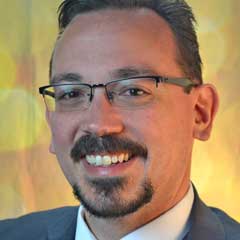
Section members meet to determine their needs and priorities, as well as how to use AARC resources to accomplish them. All Congress attendees, including section non-members, are invited to attend and participate.
8:00 a.m.–8:30 a.m. | Room 295–296 | General
Education Section Meeting
Jennifer Anderson, EdD, RRT, RRT-NPS, FAARC
Kristina Ramirez, PhD, RRT, RRT-ACCS, AE-C, FCCP
Show description
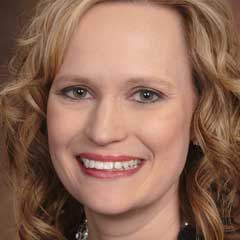

Section members meet to determine their needs and priorities, as well as how to use AARC resources to accomplish them. All Congress attendees, including section non-members, are invited to attend and participate.
8:30 a.m.–9:05 a.m. | Room 291–292 | Neonatal/Pediatric
Pharmacologic Strategies in Bronchopulmonary Dysplasia
Nicolas Bamat, MD, MSCE
Show description

Infants with BPD are exposed to many medications over prolonged hospitalizations with periods of critical illness. This lecture will identify the most frequently used medication classes, discuss the rationale for their use in the context of commonly observed BPD phenotypes, and appraise the research evidence supporting their use.
8:30 a.m.–9:05 a.m. | Room 293–294 | Leadership & Management
Metrics That Matter: Developing and Implementing Change
Andrew Weirauch, MS, RRT, RRT-ACCS
Show description

Respiratory leaders are often tasked with identifying care gaps and driving meaningful change, yet many respiratory services lack standardized, ready-to-use metrics. Developing meaningful measures that reflect departmental values can be challenging and resource-intensive, but well-designed metrics are powerful tools for communicating impact to staff and organizational leadership. This session explores practical approaches to identifying, developing, and monitoring respiratory-specific metrics to support data-driven decision-making.
8:30 a.m.–9:05 a.m. | Room 295–296 | Education
Update on 2027 CoARC Entry into Practice Standards
Lindsay Fox, RRT, RRT-ACCS, RRT-NPS, FAARC
Thomas Smalling, PhD, RRT, RRT-SDS, RPFT, RPSGT, FAARC
Show description

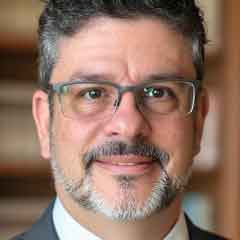
The presenters will provide an update and overview of the 2027 CoARC accreditation standards and their implications for programs and the profession. Emphasis will be placed on the current status, next steps, and the implementation timeline. Time will be allotted for audience members to ask questions and offer comments.
8:30 a.m.–9:05 a.m. | Room 391–392 | Education
Implementing VR Training in Respiratory Care Hospital-Based Education
James Keith, MHS-Ed, RRT, RRT-NPS, RRT-ACCS, AE-C, CHSE
Show description
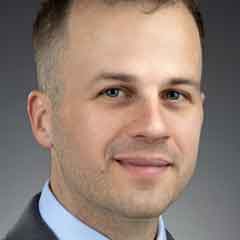
This lecture introduces the integration of Virtual Reality (VR) into hospital-based respiratory care education, focusing on tracheostomy management and other aspects of high-risk patient care. Participants will explore how immersive simulation enhances competency, confidence, and patient safety while reducing training risks. It will also give educators ideas for implementing VR education in hospital-based curricula.
8:30 a.m.–9:05 a.m. | Room 283–285 | Post Acute Care
Pulmonary Rehabilitation: Applying the Updated 2026 AACVPR Guidelines
Brian Carlin, MD, FAARC
Show description
The updated version of the AACVPR Guidelines for Pulmonary Rehabilitation is scheduled for publication in mid-2026. These guidelines will address several newer topic areas in the field, including rehabilitation for diseases other than COPD and telerehabilitation. This session will discuss the updated areas. A discussion of thoughts on how to implement these newer guidelines into your practice will be provided.
8:30 a.m.–10:25 a.m. | Room 393–394 | Clinical Practice
Open Forum Poster Discussion #3: Aerosol and Oxygen Therapy
Show description
Researchers present the results of their work. Authors briefly present their findings and engage in an open discussion with the attendees.
Supported by an educational grant from

8:30 a.m.–10:25 a.m. | Room 395–396 | Clinical Practice
Open Forum Walk Rounds #3
Show description
Researchers present the results of their work. Authors briefly present their findings and engage in an open discussion with the attendees.
Supported by an educational grant from
9:00 a.m.–2:00 p.m. | Hall I2–3 | General
Expo Hall Open
8:30 a.m.–10:35 a.m.
Symposium
Tailored MV Strategies for High-Risk and Challenging Patient Populations
8:30 a.m.–9:05 a.m. | Room 288–290 | Adult Acute Care
Ventilator Liberation in Traumatic Spinal Cord Injury
Madison Fratzke, BS, RRT, RRT-ACCS
Show description

Mortality remains high in ventilator-dependent patients with spinal cord injuries. Evidence guiding optimal ventilator management and weaning is limited, necessitating individualized care based on injury level and severity. Understanding injury-specific respiratory physiology, current evidence, and tailored liberation strategies is critical to improving outcomes after critical illness.
9:15 a.m.–9:50 a.m. | Room 288–290 | Adult Acute Care
Severe Asthma in Critical Care: Strategies from ED to ICU
Brady Scott, PhD, RRT, RRT-ACCS, AE-C, FAARC
Show description
Effective management of acute severe asthma requires rapid assessment, coordinated medical therapy, and thoughtful respiratory support to prevent deterioration and respiratory failure. This session provides a concise, physiology-based overview of managing acute severe asthma in adults across the critical care continuum. Emphasis is placed on the respiratory therapist’s role in optimizing bronchodilator and adjunct therapies, assessing expiratory physiology, and supporting ventilation when escalation is required. Key decision points and ventilatory considerations are highlighted to promote consistent, evidence-informed care from initial presentation through inpatient management.
10:00 a.m.–10:35 a.m. | Room 288–290 | Adult Acute Care
From Controlled to Spontaneous Ventilation: Managing Respiratory Drive and Effort
Glasiele Alcala, RRT
Show description

The transition from controlled to spontaneous breathing is a critical and physiologically vulnerable phase of mechanical ventilation, during which conventional global respiratory metrics often fail to reflect the underlying regional and dynamic processes that drive patient–ventilator interaction. Excessive effort can amplify lung stress through patient self-inflicted lung injury and pendelluft, while suppressed effort promotes diaphragm atrophy and prolongs ventilator dependence. This session explores the pathophysiological mechanisms linking effort to these outcomes and discusses the concept of a “safe zone.” Participants will gain a framework for recognizing when patients have drifted outside this range.
9:15 a.m.–9:50 a.m. | Room 283–285 | Post Acute Care
A Series of Unfortunate Events: How Oxygen Therapy Ran Out of Gas
Michael Hess, MPH, RRT, RPFT
Show description
Recent efforts to reform reimbursement of oxygen therapy and equipment have largely focused on the impact of the Medicare Competitive Bidding Program on the DME industry. However, the roots of the payment crisis really go back decades and involve a series of policy decisions that, while likely well-intended, have cumulatively devastated the oxygen community and stood in the way of innovation. This session will walk attendees through a brief history of oxygen therapy and its reimbursement, examine the current landscape, and discuss how RTs can work to improve the situation.
9:15 a.m.–9:50 a.m. | Room 293–294 | Leadership & Management
The Power of Peers: Reducing Burnout Through Connection
Kellie Carroll, MPA, RRT, RRT-NPS, AE-C, C-ELBW
Show description

Today’s respiratory therapists carry a heavy workload and shoulder significant responsibility, making them particularly vulnerable to work-related stress and burnout. This session explores how an RT-led peer support program can strengthen resilience by offering both proactive connection and responsive support when work-related stress affects staff. Participants will learn how structured peer support fosters wellbeing, builds community, and helps RTs navigate the demands of clinical work.
9:15 a.m.–9:50 a.m. | Room 295–296 | Education
Advancing the Profession through Teaching
Jerin Juby, DMgt, RRT
Show description

Teaching in respiratory care should be a powerful tool for shaping professional identity and fostering advocacy within the field. Practical strategies for advancing the profession through teaching can be applied across diverse settings. In the classroom, incorporating case-based discussions and reflective exercises encourages critical thinking and reinforces professional values. Clinical rotations offer opportunities to model advocacy by engaging students in interdisciplinary rounds and demonstrating effective communication with healthcare teams. Simulation labs can be leveraged to teach not only technical skills but also ethical reasoning and patient advocacy in high-stakes scenarios. Beyond academic environments, educators can promote visibility and engagement by involving students in community outreach programs, health fairs, and public education initiatives. These experiences allow learners to interact with patients and families outside the hospital setting, reinforcing the respiratory therapist’s role in preventive care and public health. Additionally, integrating social media and professional organizations into coursework can help students understand how networking and public engagement strengthen the profession’s voice. By modeling advocacy, fostering engagement, and creating opportunities for visibility, educators empower students to become skilled clinicians and champions for the profession.
9:15 a.m.–9:50 a.m. | Room 391–392 | Education
New Graduate Transition to Practice
Carolyn La Vita, RRT, RRT-ACCS, RRT-NPS
Show description

“Orientation” is a term often used to familiarize new employees with the healthcare setting, as well as policy, procedure, workflow, etc. With the developing role of respiratory therapists, employers need to consider the strength of orientation. To develop new respiratory therapists’ skill set holistically, a program that focuses on “transition to practice” might be more impactful.
9:15 a.m.–10:35 a.m.
Symposium
Pediatric Acute Respiratory Distress Syndrome
9:15 a.m.–9:50 a.m. | Room 291–292 | Neonatal/Pediatric
Lessons Learned from the International PROSpect Trial
Ira Cheifetz, MD, FAARC, FCCM
Show description
Have you ever wondered about how a question you raise at a patient's bedside can be answered in a scientifically rigorous manner? This session will explore the process of taking clinical questions from frontline staff and conducting a randomized controlled trial to find clinically meaningful answers. The recently completed international PROSpect trial for Pediatric ARDS will be used as the springboard for this important discussion. This session will overview the associated processes, challenges encountered, and lessons learned regarding the management of Pediatric ARDS.
This lecture is supported through an educational grant from Keenova Therapeutics.
10:00 a.m.–10:35 a.m. | Room 291–292 | Neonatal/Pediatric
PRO/CON: Controversies in Pediatric ARDS
Ira Cheifetz, MD, FAARC, FCCM
Garrett Keim, MD, MSCE
Show description
In this session, controversies in the clinical management of pediatric ARDS patients will be debated. Experts will co-present various controversial topics while highlighting different interpretations of the medical literature as well as differing clinical management approaches. Topics will include inhaled nitric oxide, prone positioning, high-frequency ventilation, early cannulation for ECMO, and others. This session promises to be educational and enlightening.
This lecture is supported through an educational grant from Keenova Therapeutics.
10:00 a.m.–10:35 a.m. | Room 283–285 | Post Acute Care
PRO/CON: Control and Shift: Leveraging Technology to Improve Pulmonary Outcomes
Joyce Baker, MPH, MBA, RRT, RRT-NPS, AE-C, FAARC
Teresa Volsko, MBA, MHHS, RRT, LSSBB, FAARC
Show description


Pulmonary diseases such as asthma and COPD are major causes of morbidity and mortality. Diligent adherence to the pulmonary plan of care is essential in improving health outcomes, decreasing mortality, and improving quality of life. This pro-con session will debate the use of technology to address barriers to effective management of pulmonary disease. Most patients with pulmonary conditions are nonadherent with their pulmonary home management plan of care because of clinical barriers and social drivers of health. This pro-con discussion will present the argument for and against using technology to overcome barriers that contribute to non-adherence. Clinical evidence will be used to support the impact of technology in overcoming those barriers, reducing hospitalization, and improving quality of life.
10:00 a.m.–10:35 a.m. | Room 293–294 | Leadership & Management
Panel: Respiratory Social Media — Navigating the Influence
Edward F. Garcia, MBA, MS, RRT, FAARC
Linda Nozart, MPH, BSRT, RRT, AE-C
Matthew Pavlichko, MS, RRT, RRT-NPS, FAARC
Show description



Respiratory social media has evolved into a dynamic space where clinicians, educators, and advocates share knowledge, build community, and influence practice. This summary highlights current trends, platforms of greatest impact, the role of content creators in professional development, and how social engagement is shaping education, networking, and the visibility of respiratory care globally.
10:00 a.m.–10:35 a.m. | Room 295–296 | Education
Guiding Faculty in Health Professions Research Career Development
Arzu Ari, PhD, RRT, PT, CPFT, FCCP, FAARC
Show description

This session examines strategies to support faculty in health professions research, career development, and grantsmanship. Topics include mentoring models, interdisciplinary collaboration, professional development resources, and approaches to securing competitive funding. Attendees will gain practical insights into fostering research excellence, collaboration, and innovation within health professions education.
10:00 a.m.–10:35 a.m. | Room 391–392 | Education
To Mentor or Not to Mentor? A Balanced Analysis of Clinical Programs
Nadia Boussalham, RRT
Show description

Mentorship is a cornerstone of modern clinical workforce development, but is it always necessary? It can strengthen clinical competence, support staff retention, and build future leaders. However, time constraints, mentor burnout, inconsistent pairing, and the need for structured program oversight present barriers to success. This session takes a balanced approach to clinical mentor programs, exploring proposed benefits while offering practical solutions to common challenges.
10:45 a.m.–11:45 a.m. | Expo Hall I1 | General
Annual Business Meeting
Dana Evans, MHA, RRT, RRT-NPS, FACHE, FAARC, FNAP
Show description

TBA
12:00 p.m.–12:40 p.m. | Room 283–285 | General
Transport Specialty Section Meeting
Jennifer Watts, MSc, RRT, RRT-NPS, C-NPT, FAARC
Show description
Section members meet to determine their needs and priorities, as well as how to use AARC resources to accomplish them. All Congress attendees, including section non-members, are invited to attend and participate.
12:00 p.m.–12:40 p.m. | Room 288–290 | General
Adult Acute Care Specialty Section Meeting
Elisabeth Caldwell, MBA-HM, RRT
Karsten Roberts, MSc, RRT, RRT-ACCS, FAARC, FNAP
Show description


Section members meet to determine their needs and priorities, as well as how to use AARC resources to accomplish them. All Congress attendees, including section non-members, are invited to attend and participate.
12:00 p.m.–12:40 p.m. | Room 293–294 | General
Leadership and Management Specialty Section Meeting
Gbolahan Harris RRT, RRT-NPS, RRT-SDS, RPSGT
Show description

Section members meet to determine their needs and priorities, as well as how to use AARC resources to accomplish them. All Congress attendees, including section non-members, are invited to attend and participate.
12:00 pm–1:55 p.m. | Room 393–394 | Neonatal/Pediatric
Open Forum Poster Discussion #4: Neonatal/Pediatrics Part 1
Show description
Researchers present the results of their work. Authors briefly present their findings and engage in an open discussion with the attendees.
Supported by an educational grant from
12:00 pm–1:55 p.m. | Room 121 | Clinical Practice
Open Forum Poster Discussion #5: Mechanical Ventilation Part 1
Show description
Researchers present the results of their work. Authors briefly present their findings and engage in an open discussion with the attendees.
Supported by an educational grant from
12:45 p.m.–1:20 p.m.
Symposium
Breaking Barriers: Supporting All Learners
12:45 p.m.–1:20 p.m. | Room 295–296 | Education
Balanced Breath: Aligning ADA Access with Didactic and Clinical Excellence
Shana Kent-Smith, EdD, BS, RRT
Show description

Respiratory therapy educators operate at a critical intersection where ADA mandates, and equitable instructional practices must meet at the non-negotiable line of patient safety. The Balanced Breath session provides educators with a practical framework for aligning andragogical equity with academic and clinical excellence. Attendees will explore interactive processes to address common learning barriers while maintaining a focus on essential clinical competencies required for patient safety.
1:30 p.m.–2:05 p.m. | Room 295–296 | Education
Teaching Roadblocks: Why Instruction Often Fails Multilingual Learners
Pia McEleney, MSc, RRT
Show description

Instructional practices can unintentionally hinder English Language Learners (ELLs), not because of a lack of ability, but due to systemic and pedagogical shortcomings. Research shows that inadequate teacher training, rigid instructional models, and insufficient support often impede ELL academic success. This presentation examines key barriers within instruction. By identifying these persistent obstacles, this session highlights practical strategies to create equitable learning environments. Attendees will explore ways to integrate scaffolding, promote academic language development, and adopt culturally responsive practices. The goal is to shift from viewing language as a barrier to recognizing multilingualism as an asset, ensuring instruction empowers rather than restricting ELL success.
12:45 p.m.–2:05 p.m.
Symposium
Creating and Implementing Evidence-Based Practice Research
12:45 a.m.–1:20 p.m. | Room 391–392 | Leadership & Management
Designing and Assessing Evidence-Based Practice Research
Ellen Becker, PhD, RRT, RPFT, AE-C, FAARC
Show description
How should a novice researcher conduct an evidence-based practice study that will likely be published? What should a clinician evaluate to determine whether a published study is appropriate? This presentation highlights key evaluation steps for quantitative and qualitative evidence-based practice studies.
1:30 p.m.–2:05 p.m. | Room 391–392 | Leadership & Management
Translating Evidence into Evidence-Based Clinical Practice
Sarah Varekojis, PhD, RRT, RRT-ACCS, FAARC, FNAP
Show description
Today’s respiratory therapist has access to many sources of evidence in the published literature. This presentation addresses the steps clinicians and department leaders need to follow to integrate evidence-based practices into daily clinical practices.
12:45 p.m.–1:20 p.m.
Symposium
ECMO Across the Ages: Evidence-Based Strategies for Children and Adults
12:45 p.m.–1:20 p.m. | Room 283–285 | Neonatal/Pediatric
Leveraging the ELSO Registry to Improve Pediatric ECMO Outcomes
Ravi Thiagarajan, MD, MPH
Show description
The Extracorporeal Life Support Organization (ELSO) registry represents the largest global dataset of pediatric ECMO cases and has been central to advancing outcomes research. This lecture will explore how large-scale registry analyses have identified key drivers of practice variability, outcomes, and survival in pediatric ECMO. Emphasis will be placed on translating population-level insights into bedside decision-making, quality improvement initiatives, and protocol development to optimize outcomes across diverse ECMO programs.
1:30 p.m.–2:05 p.m. | Room 283–285 | Adult Acute Care
VV ECMO to Decannulation: Evidence-Based Approaches for Optimal Outcomes
Irene Telias, MD, PhD
Show description

This presentation outlines the systematic physiological and clinical assessments required to transition patients from VV ECMO to assisted ventilation or independent pulmonary function. We will explore key aspects of weaning designed to evaluate the lungs' ability to maintain safe and adequate gas exchange without mechanical support. Attendees will gain a comprehensive understanding of the safety criteria and hemodynamic monitoring, which is essential for identifying the optimal window for decannulation. Finally, we will address the multidisciplinary coordination and post-procedure care necessary to ensure a successful recovery and minimize complications after support is withdrawn.
This educational activity is supported through a grant from LivaNova.
12:45 p.m.–1:20 p.m. | Room 288–290 | Adult Acute Care
Physiology Nuggets: Respiratory Mechanics
Dean Hess, PhD, RRT, FAARC
Show description
An understanding of physiology is fundamental to respiratory care practice. Physiologic principles, after memorization in school, are often forgotten once entering practice. This lecture covers physiologic principles related to respiratory mechanics, linking physiology to practice, particularly during mechanical ventilation.
12:45 p.m.–1:20 p.m. | Room 293–294 | Leadership & Management
PRO/CON: Leading Through Low Performance: Coach ’Em Up or Cut ’Em Loose?
Sarah Bazelak, MSc, RRT, RRT-ACCS, AE-C, LSSBB, FAARC
Jessica George, MHA, RRT, RRT-ACCS, AE-C
Show description


Leading through low performance is one of the most challenging responsibilities in healthcare leadership, with lasting implications for team performance, morale, and professional standards. This interactive debate presents contrasting leadership approaches—coaching individuals toward improvement versus separating from staff when expectations are not met—through real-world scenarios and live audience engagement. Participants gain greater clarity and confidence by examining the trade-offs leaders face as they balance accountability, compassion, risk, and team protection while maintaining trust and credibility.
12:45 p.m.–5:20 p.m.
Symposium
Year in Review
12:45 p.m.–1:20 p.m. | Room 291–292 | Adult Acute Care
Humidification of Inspired Gases
Brian Ring, PhD, RRT
Show description

This talk explores the role of humidification during mechanical ventilation and its impact on patient safety, comfort, and clinical outcomes. Participants will review the physiological importance of airway humidification, the consequences of inadequate or excessive humidification, and the principles behind commonly used humidification devices, including heated humidifiers and heat-and-moisture exchangers. Practical considerations for device selection, troubleshooting, and integration into different ventilation strategies will be discussed, with an emphasis on evidence-based practice in the ICU and operating room settings.
1:30 p.m.–2:05 p.m. | Room 291–292 | Adult Acute Care
Automated Control of Mechanical Ventilation
Richard Branson, MSc, RRT
Show description

This talk examines the growing role of automation in mechanical ventilation and how closed-loop and decision-support systems are reshaping respiratory care. Participants will be introduced to the principles behind automated ventilation modes, including how patient data such as respiratory mechanics, gas exchange, and patient effort are used to adjust ventilator settings in real time. The session will highlight potential benefits — such as reduced clinician workload, improved consistency of care, and enhanced patient–ventilator interaction — as well as limitations, safety considerations, and current evidence supporting automated approaches in different clinical settings.
3:15 p.m.–3:50 p.m. | Room 291–292 | Adult Acute Care
Inhalers in COPD and Asthma Management
Joyce Baker, MPH, MBA, RRT, RRT-NPS, AE-C, FAARC
Show description
This talk highlights how inhaler selection, technique, and patient engagement influence real-world outcomes in obstructive lung disease. Participants will review the role of inhaled therapies across the spectrum of asthma and COPD, including bronchodilators and inhaled corticosteroids, and how device choice can affect drug delivery, adherence, and symptom control. The session will emphasize practical, bedside, and clinic-based considerations such as matching inhaler devices to patient-specific factors (inspiratory flow, coordination, cognition, and comorbidities), recognizing common inhaler errors, and reinforcing effective patient education strategies. Differences between metered-dose inhalers, dry powder inhalers, and soft mist inhalers will be discussed, along with the impact of spacers, technique reassessment, and follow-up.
4:00 p.m.–4:35 p.m. | Room 291–292 | Adult Acute Care
Unplanned Extubations
Cheryl Dominick, MHA/E, RRT, RRT-NPS
Show description

Unplanned extubations, often called accidental extubations, are more common in pediatric and neonatal ICUs than in adult care areas. Unplanned extubations can result in successful extubations or have dire consequences (cardiac arrest, hypoxemia, required reintubation). As a result, hospitals spend significant time and effort to develop protocols to prevent unplanned extubations. This talk will discuss the results of important research on unplanned extubations and the effectiveness of preventive programs.
4:45 p.m.–5:20 p.m. | Room 291–292 | Adult Acute Care
Ultrasound In the ICU
Tyler Weiss, PhD, RRT, RRT-ACCS, AE-C, FAARC, FCCP
Show description
Point-of-care ultrasound (POCUS) has become an essential bedside tool in modern critical care, allowing clinicians to rapidly assess physiology, refine differential diagnoses, and guide real-time management decisions without transporting unstable patients. This lecture will describe the research on ultrasound in the critical care setting over the past year.
1:30 p.m.–2:05 p.m. | Room 288–290 | Adult Acute Care
Positive Pressure, Negative Consequences: RV Stress During PPV
Tim Gilmore, PhD, RRT, RRT-ACCS, RRT-NPS, CPFT, AE-C
Show description

This session will examine how ventilator settings, particularly PEEP, inspiratory time, and mean airway pressure, directly alter right ventricular afterload and pulmonary vascular resistance, often before hypoxemia or hypotension is clinically apparent. Rather than discussing global hemodynamics, the discussion centers on why the RV fails silently during otherwise ‘acceptable’ ventilation, and how routine ventilator adjustments may unintentionally worsen RV strain.
1:30 p.m.–2:05 p.m. | Room 293–294 | Leadership & Management
Panel: Practicing at the Top of Scope: An AARC–CHEST Perspective on RT Licensure
Kimberly Clark, EdD, RRT, RRT-NPS, RPFT, RRT-SDS, RRT-ACCS, FAARC, FNAP
Andrew Klein, MS, RRT, RRT-ACCS, RRT-NPS, AE-C, FCCP, FAARC
Sara Mirza, MD, MS
Show description



Respiratory therapists are licensed with a broad scope of practice, yet variability in utilization often limits their impact on patient care and team efficiency. This co-branded AARC–CHEST panel explores what it truly means to practice at the top of RT licensure and how interprofessional teams can better leverage respiratory expertise across acute, critical, and longitudinal care settings. Panelists from respiratory therapy and pulmonary/critical care discuss clinical, operational, and cultural barriers that prevent full scope utilization—and strategies that enable it. Attendees gain a shared understanding of how optimizing scope benefits patients, teams, and healthcare systems.
2:15 p.m.–3:05 pm | Expo Hall I1 | TBA
6th Robert M. Kacmarek Scientific Memorial Lecture
Lung Rescue Teams, Personalized Ventilation, and the Respiratory Therapist
Lorenzo Berra, MD
Show description

This lecture explores the growing use of lung rescue teams in the management of patients with severe respiratory failure and highlights the essential role of the respiratory therapist (RT) within these multidisciplinary teams. As critical care becomes increasingly complex, lung rescue teams have emerged to provide rapid, expert-driven interventions for patients who are failing conventional respiratory support. Participants will learn how lung rescue teams are structured and activated, and how they integrate evidence-based strategies such as lung-protective ventilation, advanced ventilator modes, prone positioning, recruitment maneuvers, inhaled pulmonary vasodilators, and escalation to extracorporeal support when indicated. The lecture will emphasize timely assessment, coordinated decision-making, and standardized protocols designed to reduce ventilator-induced lung injury and improve patient outcomes. This session is designed for respiratory therapists, critical care clinicians, and healthcare leaders seeking to strengthen advanced respiratory care delivery. By the end of the lecture, participants will better understand how lung rescue teams operate and how respiratory therapists play a pivotal role in improving outcomes for patients with life-threatening respiratory failure.
Sponsored by Nihon Kohden and Dr. Honglin Du
3:15 pm–5:10 p.m. | Room 393–394 | Neonatal/Pediatric
Open Forum Poster Discussion #6: Neonatal/Pediatrics Part 2
Show description
Researchers present the results of their work. Authors briefly present their findings and engage in an open discussion with the attendees.
Supported by an educational grant from
3:15 pm–5:10 p.m. | Room 395–396 | Clinical Practice
Open Forum Poster Discussion #7: Mechanical Ventilation Part 2
Show description
Researchers present the results of their work. Authors briefly present their findings and engage in an open discussion with the attendees.
Supported by an educational grant from
3:15 p.m.–5:20 p.m.
Symposium
From Bedside to Bench Strength: Building Leaders, Not Just Filling Roles
3:15 p.m.–3:50 p.m. | Room 293–294 | Leadership & Management
Mentoring and Coaching the Future Leader
Edward F. Garcia, MBA, MS, RRT, FAARC
Show description
This session examines mentorship and coaching as intentional leadership strategies essential to developing the next generation of respiratory care leaders amid increasing clinical complexity and workforce transition. Participants learn the practical differences between mentorship and coaching and when to apply each to support emerging leaders while aligning individual growth with organizational needs. Through real-world examples and actionable tools, attendees leave with a clear framework for building sustainable leadership pipelines and mentorship cultures that extend their impact beyond their own role.
4:00 p.m.–4:35 p.m. | Room 293–294 | Leadership & Management
Succession Planning
Leonile Woolfork, RRT, RRT-NPS, BS-RRT, MBA
Show description
This session highlights the critical role of succession planning during periods of rapid organizational change, particularly when multiple leadership roles become vacant simultaneously. Participants explore how intentional development—through stretch assignments, project leadership, and exposure to decision-making beyond current roles—builds a ready pipeline of future leaders. The session also addresses how leaders can use situational leadership to engage hesitant high-potential staff while supporting confidence, growth, and successful transition into new roles.
4:45 p.m.–5:20 p.m. | Room 293–294 | Leadership & Management
Navigating the Transition from Clinician to Leader
Jamie Markham, RRT, RRT-NPS, RPFT
Show description

One of the most challenging transitions in healthcare occurs when a high-performing clinician is promoted into leadership. In the fast-paced world of respiratory care, new leaders are often “thrown into the deep end” and are expected to manage complex departmental systems with the same reactive urgency they used at the bedside. Without a shift in mindset, this leads to decision fatigue, administrative overwhelm, and rapid burnout. This lecture is designed to provide both new and seasoned leaders with a practical blueprint for maximizing efficiency and reclaiming their time. Attendees will learn to move from a reactive state of “putting out fires” to a proactive state of “fireproofing” their departments.
3:15 p.m.–4:35 p.m.
Symposium
Mechanisms and Clinical Impact of Patient-Ventilator Dysynchrony
3:15 p.m.–3:50 p.m. | Room 288–290 | Adult Acute Care
Too Much of a Good Thing: Identifying and Fixing Over-Assistance
Andrew Weirauch, MS, RRT, RRT-ACCS
Show description
Over-assistance is a common but often underrecognized cause of patient–ventilator asynchrony. This session will provide a practical approach to identifying discordance at the bedside using ventilator waveforms and clinical assessment. Attendees will learn how excess support affects respiratory drive, recognize hallmark patterns, and implement targeted ventilator adjustments to improve synchrony and patient outcomes.
4:00 p.m.–4:35 p.m. | Room 288–290 |Adult Acute Care
When Support Falls Short: Identifying and Correcting Under-Assistance
Abdulhakim Tlimat, MD
Show description
This presentation focuses on the recognition and management of patient–ventilator discordance caused by under-assistance. Participants will review the physiologic mechanisms by which insufficient ventilatory support leads to increased work of breathing, respiratory distress, and asynchrony. Emphasis will be placed on ventilator waveform interpretation, key clinical indicators, and common patterns of discordance. Case-based examples will highlight practical strategies to optimize ventilator settings, reduce patient effort, and restore synchrony.
3:15 p.m.–3:50 p.m. | Room 295–29 | Education
Student AI Use and Responsible Learning: A Framework for RT Faculty
Jared Rice, DHSc, MBA, MHI, MSN, MSRT, APRN, RRT-NPS, NNP-BC, AE-C, CNE
Show description

Many respiratory care students are using AI tools in their coursework, sometimes for learning and sometimes for cheating. Faculty face questions about how to respond: detection tools consume time without reliable results; blanket policies are difficult to enforce; and students may be producing work that appears sophisticated while developing limited clinical reasoning skills. The challenge extends beyond academic dishonesty. Healthcare employers are integrating AI into clinical workflows, and graduates need to use these tools competently without losing independent clinical judgment. This session introduces a framework for guiding students to use AI as a learning tool and provides strategies for building AI competency alongside clinical skills. Students who learn to use AI as a learning tool gain advantages over peers who either avoid it entirely or use it to bypass development. The session addresses how to prepare graduates who can leverage AI professionally while maintaining the clinical reasoning required for patient care.
3:15 p.m.–3:50 p.m. | Room 391–392 | Diagnostics/PFT
Beyond Spirometry: Advanced PFTs in Pediatrics
Clement Ren, MD, MBA
Show description

Although spirometry is the most widely used pulmonary function test (PFT) in clinical practice, it has limitations that affect its ability to assess lung disease. Not all patients can do the maximal forced expiratory maneuver required for spirometry, and spirometry is relatively insensitive to detecting early lung disease in conditions such as Cystic Fibrosis. Advanced pulmonary function testing (PFT) techniques may offer advantages over spirometry, including airway oscillometry and multiple-breath washout. The principles of these tests and their role in detecting early airway and small airways disease will be discussed. This lecture will dive into practical considerations for test performance, interpretation, and integration into clinical care. Clinicians can leverage these tools to improve assessment and long-term monitoring of pediatric lung disease.
3:15 p.m.–4:35 p.m.
Symposium
Pediatric Shock in Transport: Early Recognition, Treatment, and Outcomes
3:15 p.m.–3:50 p.m. | Room 283–285 | Transport
Pediatric Shock: Definition, Classification, and Early Identification
Bradley Kuch, MHA, RRT, RRT-NPS, FAARC, CMTE
Show description

The lecture provides an essential overview of pediatric shock during transport, focusing on rapid recognition and intervention. Attendees will learn definitions and classifications of shock types—hypovolemic, distributive, cardiogenic, and obstructive—along with key epidemiology, incidence, and mortality data. Practical strategies for clinical assessment and identification during transport will be discussed, supported by evidence on how early recognition improves outcomes. Case examples and an evidence summary will ensure participants leave with actionable knowledge to enhance care for critically ill children in time-sensitive environments.
4:00 p.m.–4:35 p.m. | Room 283–285 | Transport
Stepwise Management of Pediatric Shock in Transport
Idris Evans, MD
Show description
This case-based session delivers practical, evidence-based strategies for managing pediatric shock during transport. Attendees will review current guidelines and learn a stepwise approach for each shock type, including fluid resuscitation, vasoactive support, and airway considerations. The discussion emphasizes integration of monitoring and escalation strategies to ensure safety and optimize outcomes in time-sensitive environments. Participants will also examine recent evidence on clinical outcomes and explore future directions, including novel therapies and the integration of technology. Designed for respiratory therapists and physicians, this interactive session combines guideline review with practical algorithms to translate research into real-world practice.
4:00 p.m.–4:35 p.m. | Room 295–296 | Education
Integrating AI into Respiratory Care Curriculum
Marby McKinney, DHSc, RRT-NPS, RRT, ACCS, AE-C
Show description

This presentation examines practical and ethical strategies for integrating artificial intelligence into respiratory care education. It emphasizes responsible AI use, voice-based simulations, communication practice, concept explanation, and faculty-led implementation approaches that support student learning without replacing clinical judgment.
4:00 p.m.–4:35 p.m. | Room 391–392 | Diagnostics/PFT
Exhaled Nitric Oxide: A Modern Tool for Assessing Airway Inflammation
Kenny Harker, RRT, RPFT
Show description
This presentation provides an overview of the physiologic basis and clinical role of fractional exhaled nitric oxide (FeNO) as an indicator of airway inflammation. FeNO can complement traditional diagnostic tools, aid in evaluating treatment response, and support adherence and management decisions in selected patient populations. Attendees will review current guideline recommendations, indications for testing, and considerations for obtaining reliable measurements, allowing FeNO to fit into modern respiratory practice.
4:45 p.m.–5:20 p.m. | Room 283–285 | Patient Safety & Ethics
Panel: Clinical Event Debriefing — Can We Be Better?
Idris Evans, MD
Jon Inkrott, RRT, RRT-ACCS, FAARC
Jennifer Watts, MSc, RRT, RRT-NPS, C-NPT, FAARC
Show description
The opportunity to review the clinical course of care during transport enables optimization of performance and improvement of processes not only in the transport environment but also at the bedside. Stakeholders in the debrief process include the transport RN, transport RT, medical control physician, medical director, and RT and RN content experts, to drive change that results in effective and efficient patient care. This panel will review how implementing a clinical event debrief program may drive improved processes, optimal patient safety, and research into transitioning to best patient care practices.
4:45 p.m.–5:20 p.m. | Room 288–290 | Adult Acute Care
PRO/CON: Patient-Ventilator Discordance is Harmful and Should Always Be Corrected
Eric Kriner, BS, RRT, FAARC
Thomas Piraino, RRT, FCSRT, FAARC
Show description


Types of patient-ventilator discordance are well described in the literature, but the clinical implications and outcomes are less well understood. Early work observed finite timeframes during a mechanical ventilation course and characterized the incidence and outcomes accordingly. However, larger datasets recording entire courses of mechanical ventilation have not only enabled reinterpretation of the incidence but also of the heterogeneous evolution and associated outcomes with patient-ventilator discordance. Recent literature suggests that not all discordance is associated with poor outcomes, and that the potential risks of correcting the discordance may outweigh those of the discordance itself.
4:45 p.m.–5:20 p.m. | Room 295–296 | Education
Case-Based Learning: Bridging Theory and Clinical Practice
Stephanie Holst, MS, RRT
Brendan Wanta, MD
Show description

This session examines Case-Based Learning (CBL) as an instructional strategy that bridges theory and clinical practice within a multidisciplinary framework. It demonstrates how CBL engages respiratory therapy students in active learning, fosters critical thinking, and prepares them for real-world clinical decision-making. The presentation reviews CBL principles, contrasts its benefits with traditional lecture-based methods, and highlights its role in developing essential competencies such as clinical reasoning, problem-solving, and interprofessional communication. It also explores integrating simulation-based exercises to reinforce core concepts and refine bedside skills. Through discussion and practical examples, participants gain strategies for designing effective cases aligned with program objectives and discover how CBL, enriched with simulation, transforms teaching and empowers students to become confident, competent respiratory therapists.
4:45 p.m.–5:20 p.m. | Room 391–392 | Diagnostics/PFT
Comparative Analysis of Exercise Oximetry vs Altitude Testing
Marjorie Cullinan, RRT, RRT-NPS RPFT
Show description

Walk Testing and High Altitude Simulation (HAST) are both oxygen qualifying tests performed by PFT Labs. Some PFT labs do not carry specialized HAST equipment. This presentation looks to compare Walk Testing and HAST data head-to-head to provide insights for stratifying patient populations to those where walk testing is acceptable and those that truly need HAST.
There are no sessions that match your display preferences.