Day 1 — Saturday, Nov. 14
All times are Central Standard Time. 4.07 CRCE available.
Display Preferences
Hide/Show
8:00 a.m.–5:00 p.m. | New Orleans Theater | General
Sputum Bowl Prelims
Show description
Stop by and watch our Sputum Bowl teams from around the country compete for an opportunity to go head-to-head in the finals on Monday night.
8:45 a.m.–9:00 a.m. | Expo Hall I1 | General
President’s Welcome Address
Dana Evans, MHA, RRT, RRT-NPS, FACHE, FAARC, FNAP
Show description

AARC President Dana Evans will kick off Congress 2026 with a welcome address to attendees. She will discuss Congress highlights and the recent impacts the AARC has had on the profession.
9:00 a.m.–9:50 a.m. | Expo Hall I1 | TBA
Opening Keynote — After Shock: Healing with Intention
Rana Awdish, MD
Show description

Dr. Awdish’s experience as a critically ill patient in her own ICU fundamentally transformed her understanding of healing and prompted her to write her critically acclaimed first book, In Shock. Years later, she realized survival was only the beginning. In her bestselling new book, After Shock, and in this keynote, she will describe her ongoing journey of re-embodiment — finding a home in a body that feels foreign or frightening and learning to trust it again. She’ll discuss therapeutic interventions, ranging from the creation of art to building community and their role in her recovery. Dr. Awdish reflects on the emotional and spiritual dimensions of healing that medicine often overlooks. With candor and insight, she empowers people to reclaim their agency and challenges everyone to expand their definition of care, beyond survival, toward wholeness.
10:00 a.m. | North Hall C | General
Expo Hall Opening
Show description
The Expo Hall will be open from 10:00 a.m.–4:00 pm.
11:00 a.m.–12:30 p.m. | Room 391–392 | General
Student Speed Networking
Amanda Nickel, RRT, RRT-NPS, RRT-ACCS, FAARC
Georgianna Sergakis, PhD, RRT, AE-C, FAARC, FNAP
Show description


Students are invited to start out this year’s Congress with an engaging, fast-paced networking experience. Participants in this kickoff networking session will meet influential individuals from the respiratory care community who may have a long-lasting impact on their careers. Limited seating is available. First-come, first-served. Late arrivals will not be granted entry. Student attendees only.
This event is made possible through a sponsorship from Clasp

12:00 p.m.–1:55 p.m. | Room 393–394 | Diagnostics/PFT
Open Forum Poster Discussion #1: Pulmonary Disease and PFTs
Show description
Researchers present the results of their work. Authors briefly present their findings and engage in an open discussion with the attendees.
Supported by an educational grant from

12:00 p.m.–1:55 p.m. | Room 395–396 | Clinical Practice
Open Forum Walk Rounds #1
Show description
Researchers present the results of their work. Authors briefly present their findings and engage in an open discussion with the attendees.
Supported by an educational grant from
12:40 p.m.–1:15 p.m. | Room 283–285 | Diagnostics/PFT
PFT Testing 101: Upgrade Your Testing with Modern ATS/ERS Standards
Kenny Harker, RRT, RPFT
Show description

This presentation provides an introductory, yet comprehensive overview of pulmonary function testing based on the most recent ATS/ERS technical standards. The session reviews current updated recommendations for spirometry, lung volume measurement, diffusing capacity (DLCO), and standardized PFT reporting, emphasizing essential concepts that support accurate, reproducible, and clinically meaningful results. The session also addresses key changes in modern reporting — such as the increased use of z-scores, standardized terminology, and structured interpretation frameworks.
This lecture is supported through an educational grant by Vitalograph.
12:40 p.m.–1:15 p.m. | Room 291–292 | Neonatal/Pediatric
Tracheostomy Placement for BPD: Why, Who, and When?
Nicolas Bamat, MD, MSCE
Show description

The decision to pursue tracheostomy in infants with severe bronchopulmonary dysplasia (sBPD) is complex and based on a multitude of factors. Familial preferences, expected duration of ventilatory support, and optimization of neurodevelopmental care must be considered dynamically over time. This lecture will explore these considerations and review the existing literature guiding this challenging decision.
12:40 p.m.–1:15 p.m. | Room 293–294 | Leadership & Management
Daily Habits That Build High-Performing Teams
Gbolahan Harris, RRT, RRT-NPS, RRT-SDS, RPSGT
Show description

High-performing teams are built through consistent leadership habits, not occasional inspiration. This session introduces a practical “leadership operating system” that integrates proven leadership progression with weekly management practices. Participants will learn how to create daily and weekly routines that strengthen accountability, improve communication, and build a culture of continuous improvement. This session is ideal for leaders who want a structured, repeatable approach to leadership excellence.
12:40 p.m.–1:15 p.m. | Room 295–296 | Education
From Career Day to Care Team: Building a High School to RT Pipeline
James Keith, MHS-Ed, RRT, RRT-NPS, RRT-ACCS, AE-C, CHSE
Show description
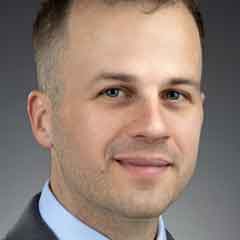
Respiratory care leaders are facing a shrinking applicant pool and shortages in full-time employees. This session shares a proven, repeatable approach to building a high school to RT pipeline that actually converts high school students to RTs with targeted school visits, partnerships, and structured co-op roles. Attendees leave with the information to start their own high school outreach or co-op program to get kids engaged in the RT profession sooner than ever before. Designed for managers and educators who need results, not just goodwill visits.
12:40 p.m.–4:15 p.m.
New Horizons
Evidence-Based Airway Clearance
12:40 p.m.–1:15 p.m. | Room 288–290 | Adult Acute Care
Drugs for Airway Clearance
Denise Willis, MSc, RRT, RRT-NPS, AE-C, FAARC
Show description

This talk examines the role of pharmacologic therapies in supporting effective airway clearance across a range of respiratory conditions. Medications are often used to optimize the airway environment by improving secretion properties, enhancing mucociliary transport, and reducing airflow obstruction, thereby complementing mechanical and manual airway clearance techniques. Participants will review the mechanisms of action, indications, and limitations of commonly used airway-clearance drugs, including bronchodilators, mucolytics, expectorants, and anti-inflammatory agents. The talk will address how these medications influence mucus viscosity, airway tone, hydration of secretions, and cough effectiveness, as well as how timing and delivery method impact therapeutic effectiveness.
1:25 p.m.–2:00 p.m. | Room 288–290 | Adult Acute Care
Devices to Promote Secretion Clearance
Amanda Nickel, RRT, RRT-NPS, RRT-ACCS, FAARC
Show description
This talk provides a comprehensive overview of medical devices used to promote secretion clearance in patients with impaired mucus mobilization and cough effectiveness. Device-based airway clearance strategies play a critical role in preventing atelectasis, reducing infection risk, and improving ventilation across acute, chronic, and critical care settings. Participants will review the physiological rationale for device-assisted secretion clearance, including mechanisms that enhance expiratory flow, oscillation, lung volume recruitment, and cough augmentation. The session will examine commonly used devices, including positive expiratory pressure (PEP) and oscillatory PEP systems, high-frequency chest wall oscillation, mechanical insufflation–exsufflation, intrapulmonary percussive ventilation, and adjunctive suctioning techniques.
2:10 p.m.–2:45 p.m. | Room 288–290 | Adult Acute Care
Devices to Improve Cough
Kristen McHenry EdD, RRT, RRT-ACCS, FAARC, FNAP
Show description

This talk focuses on the use of medical devices designed to improve cough effectiveness in patients with impaired expiratory flow, respiratory muscle weakness, or compromised airway protection. An effective cough is essential for clearing secretions, preventing atelectasis, and reducing the risk of respiratory infection. When voluntary cough is insufficient, device-assisted strategies can play a critical role in supporting airway clearance and respiratory stability. Participants will review the physiology of cough, including inspiratory volume generation, glottic control, and rapid expiratory flow, and how disease states such as neuromuscular disorders, spinal cord injury, critical illness, and postoperative weakness disrupt this process. The session will examine commonly used cough-assist devices, including mechanical insufflation–exsufflation, lung volume recruitment techniques, manual and mechanical breath stacking, and adjunctive suctioning methods.
This lecture is supported through educational grants by ABM Respiratory Care and Sentec.
2:55 p.m.–3:30 p.m. | Room 288–290 | Adult Acute Care
Non-device Approaches to Airway Clearance
Daniel Fisher, MS, RRT, RRT-ACCS, FAARC
Show description

This talk explores non-device approaches to airway clearance, focusing on clinical strategies that enhance secretion mobilization and effective cough without reliance on mechanical equipment. These methods remain foundational across care settings and patient populations and are often first-line or adjunctive interventions in comprehensive airway clearance plans. Participants will review the physiological principles underlying effective airway clearance, including lung volume recruitment, expiratory flow generation, and coordination of breathing with cough. The session will discuss how positioning, breathing techniques, and manual interventions can be used to optimize ventilation, improve mucus transport, and reduce secretion retention. Key topics include postural drainage, active cycle of breathing techniques, directed cough and huffing strategies, manual chest techniques, and early mobility. The talk will highlight how these approaches can be adapted based on patient age, diagnosis, cognitive status, and disease severity, with attention to neuromuscular disease, postoperative care, chronic lung disease, and acute illness.
3:40 p.m.–4:15 p.m. | Room 288–290 | Adult Acute Care
Disease-Specific Approaches for Airway Clearance
Michael Davis, PhD, RRT, FAARC
Show description

This talk explores disease-specific approaches to airway clearance, emphasizing how variations in respiratory pathology influence the selection, modification, and effectiveness of airway clearance techniques. Participants will examine common and emerging airway clearance strategies across conditions such as cystic fibrosis, bronchiectasis, neuromuscular disorders, and chronic obstructive pulmonary disease. Through case-based examples and clinical reasoning, the session highlights patient-specific factors, including disease mechanism, secretion characteristics, and functional status, to guide evidence-informed decision-making to optimize respiratory outcomes.
12:40 p.m.–2:00 p.m. | Room 391–392 | General
Political Action Contact Team
Show description
Stop by to see your colleagues and get an update on the end of the 119th US Congress and what to expect for the rest of 2026. We will also discuss next steps and progress for the Respiratory Care Interstate Compact.
1:25 p.m.–2:00 p.m. | Room 283–285 | Diagnostics/PFT
The Six Minute Walk Test: The Test and the Controversies
Carl Mottram, RRT, RPFT, FAARC
Show description

The 6MWT was first standardized in 2002 as an ATS guideline. It was then updated in 2014 with the ERS Field Walk Tests Technical Standard, yet the test is still performed differently by operators. There are also recent recommendations in the lung transplant community that contradict the 6MWT described in the technical standard on oxygen delivery. The lecture will review the key elements of the technical standard and discuss six controversies that have led to differing testing techniques, potentially resulting in variability in the results.
1:25 p.m.–2:00 p.m. | Room 291–292 | Neonatal/Pediatric
Determining Optimal PEEP in the NICU and PICU
Jennifer Erkinger, MS, RRT, RRT-NPS, AE-C, C-NPT
Show description

Determining the appropriate PEEP has been an important component of mechanical ventilation for decades, yet the PEEP required for a patient at any given time has been debatable in critical care. Studies suggest ways to ensure patients on mechanical ventilation receive the appropriate PEEP level, but opinions are conflicting, and practices vary across facilities. This presentation will focus on a minimally invasive method for determining optimal PEEP, compared with invasive methods, that demonstrate clinical efficacy without advanced tools.
1:25 p.m.–2:00 pm | 293–294 | Leadership & Management
Panel: Unlocking Career Growth Through Professional Volunteerism
Sarah Bazelak, MSc, RRT, RRT-ACCS, AE-C, LSSBB, FAARC
Jefferson Mixell, MBA, RRT, RRT-ACCS
Lee Wisdom, PhD, RRT, RRT-ACCS, RRT-NPS, FAARC
Show description



Professional volunteerism is more than giving back. It’s a strategic tool for career growth and networking. By engaging in volunteer opportunities within respiratory care organizations, clinicians can expand their professional connections, develop leadership skills, and gain visibility in the field. This session will explore how volunteering can open doors to mentorship, collaboration, and advancement, while also strengthening the respiratory care community.
1:25 p.m.–2:00 p.m. | Room 295–296 | Education
Active Learning That Works for Respiratory Care Faculty: Practical Tools
Nathan Pounds, EdD, MSRC, RRT, RRT-ACCS, RPFT, AE-C
Show description
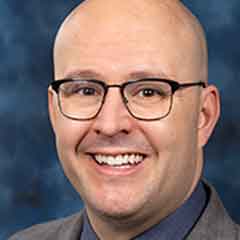
This session equips respiratory care faculty with a practical menu of active-learning strategies for didactic, lab, and simulation courses. Panelists demonstrate and discuss varied active learning pedagogical examples, review the data behind them, and share real-world implementation tips.
2:10 p.m.–4:15 p.m.
Symposium
Artificial Intelligence in Respiratory Care
2:10–2:45 p.m. | Room 293–294 | Leadership & Management
Innovation, Application, and the Boundaries Ahead
Jie Li, PhD, RRT, RRT-ACCS, RRT-NPS, FAARC, FCCM
Abdulhakim Tlimat, MD
Robert Joyner, PhD, RRT-ACCS, FAARC
Show description


Artificial intelligence (AI) is rapidly reshaping respiratory care across clinical decision-making, education, research, and workforce design. This interactive panel brings together experts actively applying AI to ventilator waveform interpretation, competency assessment, clinical monitoring, and learning analytics, highlighting where these tools add value in real-world practice. Panelists will also examine the ethical and operational limits of AI adoption, including bias, data privacy, and the continued necessity of human judgment in high-risk care. Attendees leave with practical guidance for integrating AI responsibly while preserving the professional values and accountability central to respiratory care.
2:55 p.m.–3:30 p.m. | Room 293–294 | Leadership & Management
Ethical AI Use for Respiratory Leaders
John Emberger, RRT, RRT-ACCS FAARC
Show description

Integrating artificial intelligence into respiratory care offers immense potential but demands rigorous ethical oversight. This session examines AI applications across the continuum, from enhancing bedside clinical decisions to streamlining departmental operations. Attendees will learn strategies to deploy AI tools that improve efficiency and patient outcomes without compromising privacy or equity.
3:40 p.m.–4:15 p.m. | Room 293–294 | Leadership & Management
Strategic Implementation of AI and AR in Respiratory Care Management
Stacy Hall, MHA, RRT
Show description
Effective leadership drives transformative change. This session provides a management perspective on integrating AI and augmented reality into respiratory care. Participants will evaluate the strategic benefits, address implementation challenges, and develop policies to lead departmental adoption of these technologies, ensuring efficient training and improved patient outcomes.
2:10 p.m.–2:45 p.m.
Symposium
Interprofessional Simulation
2:10 p.m.–2:45 p.m. | Room 295–296 | Education
One Simulation, Dual Impact: Aligning IPE and Professional Competencies
Georgianna Sergakis, PhD, RRT, AE-C, FAARC, FNAP
Show description
This session introduces respiratory therapy educators to the concept of “dual impact” simulation—using one interprofessional simulation experience to intentionally develop and assess both respiratory therapy professional competencies and interprofessional competencies. Grounded in the INACSL Standards of Best Practice, the talk demonstrates how thoughtfully designed simulation can support competency-based education and learner readiness for team-based care. Participants will explore practical respiratory-focused examples that align professional competency standards with the IPEC Core Competencies, highlighting strategies that allow educators to efficiently meet multiple educational goals within a single simulation experience while strengthening professional identity and interprofessional collaboration.
2:55 p.m.–3:30 p.m. | Room 295–296 | Education
From Sim to Team: Making IPE Stick
Randy Case, PhD, RRT, RRT-NPS
Georgianna Sergakis, PhD, RRT, AE-C, FAARC, FNAP
Ralph Zimmerman, PhD, RRT, RRT-NPS, FAARC, FNAP
Show description


This panel builds on interprofessional simulation by examining how IPE principles translate into everyday clinical practice once learners leave the simulation environment. Panelists share perspectives on what helps or hinders the transfer of interprofessional skills such as communication, role clarity, and shared decision-making in high-acuity care settings. Through real-world examples, the discussion explores how leaders and educators reinforce IPE behaviors beyond training events to shape team culture and patient safety. Attendees gain insight into sustaining interprofessional collaboration as a lived practice rather than a one-time educational experience.
2:10 p.m.–2:45 p.m. | Room 391–392 | Adult Acute Care
CPG Updates: Non-Invasive Ventilation and Adult Aerosol Therapy
Ann Cuccia, MPH, RRT, FNAP, FAARC
Maria Madden, MS, RRT, RRT-ACCS, RRT-NPS, FAARC
Show description
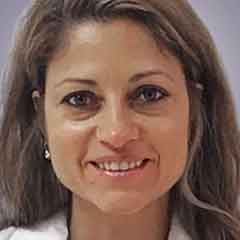
Noninvasive ventilation (NIV) refers to the delivery of positive pressure ventilatory support through a noninvasive interface, characterized by an inspiratory pressure that exceeds expiratory pressure, and performed without the use of an endotracheal or tracheostomy tube. Despite its widespread use, the technical aspects of NIV administration are often underappreciated. This presentation will clarify the technical aspects and provide practical recommendations to optimize NIV application. In addition, aerosol therapy—the delivery of medications directly to the lungs as a mist or powder via nebulizers or inhalers—is a cornerstone in the treatment of respiratory conditions such as asthma and COPD. Among adults, there is considerable variation in how aerosol therapy is delivered, underscoring that a one-size-fits-all approach is ineffective. Updated guidelines provide clarity on the many technical factors that influence optimal aerosol delivery. Together, this presentation integrates key principles and practical guidance for both NIV and aerosol therapy to enhance respiratory care outcomes.
This educational activity is supported through an educational grant from Nihon Kohden.
2:10 p.m.–4:15 p.m.
Symposium
Pulmonary Function Testing: Rethinking How We’ve Always Done It
2:10 p.m.–2:45 p.m. | Room 283–285 | Diagnostics/PFT
Moving Toward a Better Bronchoprovocation Test Using Oscillometry
Matthew O’Brien, RRT, RRT-ACCS, RRT-NPS, RRT-SDS, RPT, AE-C
Show description

Spirometry involves maximal inspiration, which can be bronchoprotective. We might be missing airway reactivity during standard bronchoprovocation testing. Replacing spirometry with oscillometry or airway resistance to monitor changes during a methacholine or exercise challenge is easier on the subject and should result in a better bronchoprovocation test.
This lecture is supported through an educational grant by Jaeger.
2:55 p.m.–3:30 p.m. | Room 283–285 | Diagnostics/PFT
Breaking Up Is Hard to Do: Re-examining Our Love Affair with FEV1
Jeffrey Haynes, RRT, RPFT, FAARC, FCCP
Show description

FEV1 is a very important spirometry value that has a long and rich history in pulmonary function testing. FEV1 can provide valuable information when making a diagnosis and determining prognosis. However, has the usefulness of FEV1 blinded us to a number of limitations of relying heavily on FEV1 for clinical decision-making? This lecture will review the strengths and weaknesses of FEV1 in clinical environments.
3:40 p.m.–4:15 p.m. | Room 283–285 | Diagnostics/PFT
Bronchodilator Response Testing: What is it Good For?
Jeffrey Haynes, RRT, RPFT, FAARC, FCCP
Show description
Bronchodilator response testing is routinely performed in PFT labs worldwide. Many conclusions, such as the likelihood of asthma and COPD and response to treatment, have been linked to bronchodilator responsiveness, but are these associations really true? This lecture will review the scientific literature regarding the usefulness of bronchodilator response testing.
2:10 p.m.–3:30 p.m.
Symposium
Seeing is Believing: Personalizing Pediatric Mechanical Ventilation with EIT
2:10 p.m.–2:45 p.m. | Room 291–292 | Neonatal/Pediatric
EIT: Real-Time Lung Monitoring in Neonatal and Pediatric Critical Care
Brian Walsh, PhD, RRT, RRT-NPS, FAARC
Show description

Electrical Impedance Tomography (EIT) is emerging as a non-invasive bedside tool for real-time, regional lung monitoring. In neonatal and pediatric intensive care units, traditional global measures of ventilation may miss early signs of overdistention or collapse. This lecture will bridge basic principles of EIT with hands-on interpretation and clinical application in our smallest—and most vulnerable—patients.
2:55 p.m.–3:30 p.m. | Room 291–292 | Neonatal/Pediatric
Clinical Applications of EIT in Pediatric Critical Care
Garrett Keim, MD, MSCE
Show description
Electrical Impedance Tomography (EIT) is an emerging bedside imaging tool that allows visualization of regional lung ventilation. Additionally, it can be used to guide transitions in respiratory support, ventilator adjustments, support lung-protective strategies, and assist with clinical decision making in children with respiratory failure. Real-world examples will demonstrate how EIT data can be integrated into bedside clinical practice.
2:30 p.m.–4:25 p.m. | Room 393–394 | Clinical Practice
Open Forum Poster Discussion #2: Respiratory Equipment Evaluation
Show description
Researchers present the results of their work. Authors briefly present their findings and engage in an open discussion with the attendees.
Supported by an educational grant from
2:30 p.m.–4:25 p.m. | Room 395–396 | Clinical Practice
Open Forum Walk Rounds #2
Show description
Researchers present the results of their work. Authors briefly present their findings and engage in an open discussion with the attendees.
Supported by an educational grant from
2:55 p.m.–3:30 p.m. | Room 391–392 | DEI
Cultural Humility: Honoring Heritage and Stories
Victor Beauvil, PhD, RRT, MPA, CASHG, CAIHC
Show description

This session will explore humility as a practical, clinician-centered framework for improving communication, strengthening patient partnerships, and reducing health disparities. Participants will examine how shifting from assumption to curiosity deepens understanding of patients’ cultural, social, and emotional realities. Through real-world examples and reflective practice, the presentation will emphasize how humility equips clinicians to deliver more equitable, person-centered care.
3:40 p.m.–4:15 p.m. | Room 291–292 | Neonatal/Pediatric
New Kids on the Block
Ariel Berlinkski MD, FAAP, FAARC, ATSF
Show description

Recent asthma guidelines recommend using SMART (single maintenance and reliever therapy) for treatment of moderate to persistent asthma (step 3/4) in patients 4 years or older. The guidelines also recommend using an anti-inflammatory reliever (AIR) for mild asthma. Understanding their use in pediatric asthma care is essential to provide up-to-date asthma care.
3:40 p.m.–4:15 p.m. | Room 295–296 | Education
Getting Students to Think at the Bedside: Assessing Clinical Reasoning
Sarah Varekojis, PhD, RRT, RRT-ACCS, FAARC, FNAP
Show description
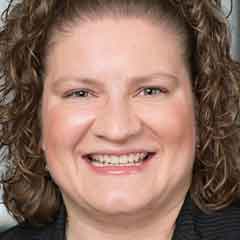
Clinical reasoning is a complex cognitive process that involves gathering and analyzing patient information, interpreting findings, making decisions, and taking actions to achieve optimal patient outcomes. It integrates knowledge, experience, and critical thinking to identify problems, prioritize interventions, and evaluate outcomes in complex clinical situations. This presentation will provide an overview of clinical reasoning assessments, including components and methods that can be used in many educational settings.
3:40 p.m.–4:15 p.m. | Room 391–392 | DEI
Seeing Clearly: Uncovering Bias to Build Equity in Healthcare
Emilee Lamorena, MSc, RRT, RRT-NPS, FAARC
Show description

This session explores how diversity, equity, and inclusion directly affect patient safety, clinical decision-making, team dynamics, and healthcare outcomes. It examines how implicit and explicit biases develop and influence diagnosis, treatment, communication, hiring, and leadership—even among well-intentioned professionals. Through real-world examples and practical tools, participants gain actionable strategies to recognize and interrupt bias, promote psychological safety, and create more equitable care environments.
4:30 p.m.–6:00 p.m. | Hall I1 | General
AARC Annual Awards Ceremony
Show description
This ceremony recognizes the “doers” in the profession, from students to long-established practitioners. Be there and applaud your peers. Today it’s them; tomorrow it could be you.
8:00 p.m.–10:00 p.m. | New Orleans Marriott — Acadia Bissonet Room | General
Welcome Party
Show description
Head over to the New Orleans Marriott (AARC headquarters hotel) at 555 Canal Street, for an evening of fun activities, food, refreshments, dancing, and networking with your respiratory therapy colleagues and friends.
There are no sessions that match your display preferences.