Day 3 — Monday, Nov. 16
All times are Central Standard Time. 6.73 CRCE available.
Display Preferences
Hide/Show
8:30 a.m.–9:00 a.m. | Room 283–285 | General
Sleep Specialty Section Meeting
Daniel Thacker, MRT, RRT, RRT-ACCS, RCP, ASRT
Show description

Section members meet to determine their needs and priorities, as well as how to use AARC resources to accomplish them. All Congress attendees, including section non-members, are invited to attend and participate.
8:30 a.m.–9:00 a.m. | Room 291–292 | General
Neonatal/Pediatric Specialty Section Meeting
Emilee Lamorena, MSc, RRT, RRT-NPS, FAARC
Show description

Section members meet to determine their needs and priorities, as well as how to use AARC resources to accomplish them. All Congress attendees, including section non-members, are invited to attend and participate.
8:30 a.m.–9:00 a.m. | Room 386–387 | General
Diagnostics Specialty Section Meeting
Kenny Harker, RRT, RPFT
Show description
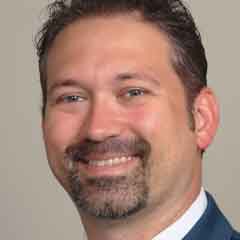
Section members meet to determine their needs and priorities, as well as how to use AARC resources to accomplish them. All Congress attendees, including section non-members, are invited to attend and participate.
9:00 a.m.–1:00 p.m. | Hall I 2–3 | General
Expo Hall Open
Show description
Don’t miss your opportunity to talk with and learn from the 2026 Congress exhibitors.
9:00 a.m.–11:15 a.m. | Room 391–392 | Clinical Practice
Open Forum Editor’s Choice
Richard Branson, MSc, RRT
Dean Hess, PhD, RRT, FAARC
Show description
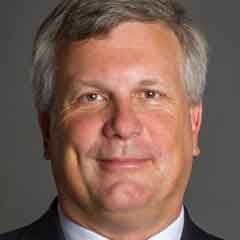
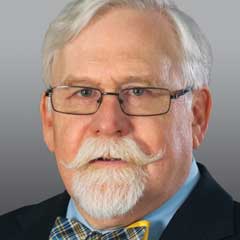
- Factors Associated With Successful Lung Procurement in Organ Donors: Donor Characteristics and Management Strategies — Y. Zhang, J. Li, J. Velasco, C. Benadivez, M. Allen, S. Folkerts, G. Kowalik
Presenter: Yike Zhang - Noninvasive Estimate of Pleural Pressures Using Pressure-Volume Curves — A.L. Forman, E. Padrao, E. Baedorf Kassis
Presenter: Andrea L. Forman - External Validation of EIT-Derived Ventilation Distribution Metrics During Tracheostomy Collar Trials — B. Ring, T. Black, O. Puntenney, S. Pattison, R. Shyne, D. Gomaa, D. Wakefield
Presenter: Brian Ring - Variability in Derived Occlusion Pressure Across Ventilator Platforms: A Bench Study — M. Nedyalkov, M. Madden, K. Wockenfuss
Presenter: Martin Nedyalkov - Comparison of Nasopharyngeal Airway Pressure Delivery via Noninvasive Respiratory Support in Infants — A. Donnelly, H. Stephens, J. Erkinger, S. Pradhan, S. Amatya
Presenter: Ann E. Donnelly - Analyzing the Influence of a Respiratory Therapist Navigator Program on COPD Hospital Readmission Rates. A Multi-Year Cohort Analysis of Attributed (In-Program) Versus Non-Attributed (Not-In-Program) Patients — K. Long, B. Wicker, N. Prush, N. Prevo, G. Kauffman
Presenter: Kelly Long - Near Real-Time Electronic Monitoring Improves Quality of Mechanical Ventilation — S. Patel, Z. Cooper, A. Aguilar, J. Bolding, B. Teegarden, B.K. Walsh
Presenter: Sachin Patel
Supported by an educational grant from

9:10 a.m.–11:15 a.m.
Symposium
Advanced Monitoring of the Critically Ill Patient
9:10 a.m.–9:45 a.m. | Room 288–290 |Adult Acute Care
Seeing the Invisible: Lung Ultrasound in Advanced Respiratory Monitoring
Tyler Weiss, PhD, RRT, RRT-ACCS, AE-C, FAARC, FCCP
Show description
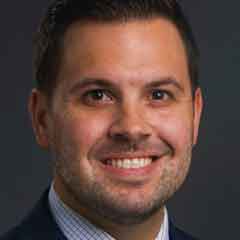
This presentation equips respiratory therapists with foundational skills for using lung ultrasound for bedside assessment and advanced monitoring. Key imaging patterns, scanning techniques, and clinical applications in ventilator management will be highlighted.
This lecture is supported through an educational grant from Draeger.
9:55 a.m.–10:30 a.m. | Room 288–290 | Adult Acute Care
Esophageal Pressure Monitoring During Passive Mechanical Ventilation
Thomas Piraino, RRT, FCSRT, FAARC
Show description

This session focuses on the use of esophageal manometry to assess lung mechanics and patient–ventilator interaction in mechanically ventilated patients. During passive ventilation, esophageal pressure is used to evaluate lung compliance, chest wall mechanics, and transpulmonary pressures, providing a more precise understanding of lung stress. During spontaneous breathing, esophageal manometry allows clinicians to quantify patient effort, detect asynchrony, and optimize ventilator support. Through case-based examples, participants will learn to integrate esophageal pressure data into bedside decision-making, guiding ventilator adjustments to prevent ventilator-induced lung injury, reduce the work of breathing and improve synchrony.
This lecture is supported through an educational grant from Draeger.
10:40 a.m.–11:15 a.m. | Room 288–290 | Adult Acute Care
Panel: When Global Measurements Fall Short: Unlocking Lung Insights with EIT
Roberta Santiago, MD, PhD, RRT
Thomas Piraino, RRT, FCSRT, FAARC
Irene Telias, MD, PhD
Show description


The panel will discuss why conventional global metrics, such as airway driving pressure, may fail to reflect regional lung behavior and dynamic changes over time. Attendees gain an understanding of how EIT provides real-time, bedside assessment of regional ventilation, revealing heterogeneity, recruitment, and overdistension that remain invisible with standard monitoring. This session will also explore the technology's utilization during spontaneous ventilation and assessment of volume distribution and respiratory effort.
This lecture is supported through an educational grant from Draeger.
9:10 a.m.–9:45 a.m. | Room 283–285 | Sleep
Beyond Compliance: Building a Virtual CPAP Follow-Up Model That Works
Kevin Dator, MPH, BSRT, RCP, RRT, RRT-SDS, RPSGT, CCSH
Show description

This session explores how sleep programs can move beyond basic compliance requirements to deliver more effective, patient-centered CPAP care. The session outlines practical strategies for utilizing telemedicine to improve CPAP adherence while maintaining strict alignment with CMS requirements. This is particularly critical within the first 90 days of therapy, and consistent virtual engagement following initiation can reduce patient drop-off, improve CPAP adherence, operational efficiency, and quality of care.
9:10 a.m.–9:45 a.m. | Room 291–292 | Neonatal/Pediatric
Panel: From Incubator to Inhaler: The RT Role Across the Premature Infant Journey
Anne Geistkemper, RRT
Catherine Kier, MD, MHA
Emily Masoumy, MD, FAAP
Show description

Premature infants experience evolving respiratory needs that extend well beyond the neonatal intensive care unit. Respiratory therapists play a critical and often underrecognized role in guiding these patients across transitions of care—from invasive ventilation in the NICU to chronic respiratory management, sleep-disordered breathing, and long-term pulmonary outcomes in childhood. This panel will discuss the journey of a premature infant across the continuum of care, highlighting RT-led interventions at key clinical decision points. An emphasis will be placed on RT expertise in ventilation management, weaning strategies, family education, transition planning, and long-term follow-up. Attendees will leave with practical strategies to enhance RT involvement across care settings and to improve respiratory outcomes for premature infants through childhood.
9:10 a.m.–9:45 a.m. | Room 293–294 | Post Acute Care
Ventilators in the Wild
Jeanette Brown, MD
Show description
Advances in portable mechanical ventilation, battery technology, and adaptive equipment have expanded opportunities for ventilator-dependent patients to engage in recreational and outdoor sports. Participation in these activities can improve physical conditioning, mental health, and overall quality of life. However, safe involvement requires careful planning, appropriate equipment selection, environmental awareness, and interdisciplinary coordination. This session will explore the practical and clinical considerations of supporting ventilator-dependent patients during recreational sports and outdoor activities such as hiking, adaptive cycling, kayaking, skiing, and team sports. Emphasis will be placed on ventilator selection, power management, circuit management, humidification, secretion clearance, and environmental challenges, including temperature, altitude, and humidity. The role of respiratory therapists in patient assessment, education, emergency preparedness, and collaboration with caregivers and adaptive sports programs will be highlighted.
9:10 a.m.–9:45 a.m. | Room 295–296 | Diagnostics/PFT
Interventional Pulmonology: To Stent, or Not to Stent?
Angela Sherman, BS, RRT, RRT-ACCS, RPFT
Show description

Interventional pulmonology is a subspecialty of pulmonary medicine that offers advanced, minimally invasive procedures to diagnose and treat disorders of the lungs and airways. During this session, updates on the applications of airway stents during advanced diagnostic and therapeutic airway interventions will be provided.
9:55 a.m.–10:30 a.m. | Room 283–285 | Sleep
Opportunities for the Respiratory Therapist in the Sleep Laboratory
Charles Atwood, MD
Show description

Respiratory therapists play a key role in the evaluation and management of patients with obstructive sleep apnea (OSA). Traditionally, respiratory therapists have been involved in performing laboratory sleep studies. Many new opportunities now exist for expanded roles for respiratory therapists in newer types of evaluations and therapies for patients with OSA. With the development of advanced respiratory therapist programs, even greater opportunities will exist in the future. This discussion will center around how to develop respiratory therapists to provide these expanded opportunities.
9:55 a.m.–10:30 a.m. | Room 291–292 | Neonatal/Pediatric
Pediatric Asynchrony: Identification, Outcomes, and Clinical Approaches
Bradley Kuch, MHA, RRT, RRT-NPS, CMTE, FAARC
Show description

Mechanical ventilator asynchrony is a common but often underrecognized challenge in pediatric critical care. Misalignment between patient effort and ventilator support can increase work of breathing, impair gas exchange, cause discomfort, and prolong mechanical ventilation. This session provides clinicians with a comprehensive, evidence-based approach to understanding and recognizing pediatric ventilator asynchrony. Actionable mitigation strategies to enhance patient comfort and reduce complications are discussed, supported by case examples for real-world application.
9:55 a.m.–10:30 a.m. | Room 293–294 | Post Acute Care
From Coverage to Care: Applying New Medicare NIRS Guidelines for COPD
Sara Mirza, MD, MS
Show description

Recent Medicare guidelines have affected home noninvasive respiratory support coverage for patients with chronic hypercapnia respiratory failure due to COPD. This presentation will discuss new qualifying criteria, required diagnostic testing, documentation standards, and distinctions between device categories. Incorporating this knowledge will improve access to therapy and optimize outcomes for patients with COPD-related chronic respiratory failure.
9:55 a.m.–10:30 a.m. | Room 295-296 | Diagnostics/PFT
Evidence-Based PFT Training: Achieving Mastery
Ellen Becker, PhD, RRT, RPFT, AE-C, FAARC
Show description
The pulmonary function testing (PFT) literature describes how to perform PFTs but provides little guidance on technologists’ training and education. Further, the lack of PFT laboratory accreditation provides no oversight of testing quality. Yet patients and their families rely on technologists to provide accurate, precise diagnostic test results. This lecture summarizes the education and diagnostic, evidence-based literature that PFT laboratories can use to help new PFT technologists master their craft.
This lecture is supported through an educational grant by Vitalograph.
10:40 a.m.–11:15 a.m. | Room 283–285 | Sleep
Through the Night and the Change: Sleep-Disordered Breathing
Amanda Leightner, PhD, RRT, RRT-SDS, RPSGT, CCSH, FAARC, FNAP
Jessica Schweller, MS, APRN-CNP, RRT, RRT-SDS, AE-C, CCSH
Show description


Sleep disorders in women are frequently underrecognized, particularly during menopause when hormonal changes disrupt sleep and increase the risk of sleep-disordered breathing and insomnia. This symposium will highlight sex-specific differences in presentation, review the impact of menopause on sleep physiology, and discuss practical, evidence-based approaches to diagnosis and management.
10:40 a.m.–11:15 a.m. | Room 291–292 | Neonatal/Pediatric
Panel: High Frequency Percussive Ventilation: An End User Panel Discussion
Cheryl Dominick, MHA/E, RRT, RRT-NPS
Brian J Smith, MSc, RRT
Benjamin White, MD, MA
Show description


High-frequency percussive ventilation (HFPV) has been an alternative strategy for managing patients failing conventional mechanical ventilation and as a bridge to ECMO. HFPV is the least well-described of the high-frequency ventilatory modalities. Panelists will discuss their clinical experiences in roll-out, education, and management. Literature will be incorporated, and opportunities for HFPV research are identified.
10:40 a.m.–11:15 a.m. | Room 293–294 | Post Acute Care
Rehabilitation and Ventilator Support: How to Get Your Patient Moving
Jeanette Brown, MD
Show description
Early mobility and rehabilitation of mechanically ventilated patients are increasingly recognized as critical components of care. This affects patients across acute, long-term acute care, rehabilitation, and home settings. This presentation will address patient selection, ventilator modes and settings, equipment considerations, secretion management, and oxygenation during activity, enabling respiratory therapists to actively contribute to rehabilitation goals and improve patient outcomes.
10:40 a.m.–11:15 a.m. | Room 295-296 | Diagnostics/PFT
Future-Proofing PFT Leadership Development Through Q/A and Q/I Programs
Renee Bergtold, MSc, RRT, RPFT
Show description

Running a successful PFT laboratory requires more than technical expertise — it also involves understanding accreditation requirements and having the right tools and processes in place. In this session, we’ll review a step-by-step approach to managing accreditation activities and discuss strategies for engaging and developing newer staff members who may be interested in future leadership roles within the PFT lab.
This lecture is supported through an educational grant by Jaeger.
11:25 a.m.–12:00 p.m. | Room 295-296 | Diagnostics/PFT
Considerations in the Use of Home Spirometry
Clement Ren, MD, MBA, ATSF
James A. Reed, RRT, RRT-NPS, RPFT
Show description


Objective measures of lung function are critical for the care of people with respiratory disease. The COVID-19 pandemic led to increased use of home spirometry to assess lung function during remote care encounters. This session will review the data on the feasibility and accuracy of home spirometry and discuss practical challenges in implementing its use in clinical care. Experiences from leading a Cystic Fibrosis Foundation-funded project to implement home spirometry for clinical use will be shared, along with a review of the literature on home spirometry in children with CF. This lecture will explore the expanding role of home spirometry in respiratory care, focusing on the latest clinical evidence, measurement accuracy, and billing and reimbursement considerations.
11:25 a.m.–12:00 p.m. | Room 283–285 |Sleep
Sleep Diagnostics and Treatment Technology: 2026 Update
Anita Shelgikar, MD
Show description

Sleep medicine technology, including diagnostics, treatment, AI, lab technology, home sleep, wearables, and acoustic monitoring, is moving fast. Treatment advances such as implantable neuromodulation devices, other surgical procedures, and medications are also affecting sleep medicine practice. This session will help embrace this change and teach taking advantage of new opportunities.
11:25 a.m.–12:00 p.m. | Room 288–290 | Adult Acute Care
Integrating The A–F Bundle: An RT’s Guide to Evidence-Based ICU Care
Jeffrey Munson, MD
Show description
This presentation focuses on the role of respiratory therapists in implementing the A-F Bundle to enhance patient care in the ICU. Participants will explore each component of the bundle, highlighting evidence-based strategies that directly involve respiratory therapy interventions. The session will emphasize practical approaches to integrating the bundle into daily practice, improving interdisciplinary collaboration, and optimizing patient outcomes, while addressing potential challenges and barriers in real-world ICU settings.
11:25 a.m.–12:00 p.m. | Room 291–292 | Neonatal/Pediatric
The Use of Endobronchial Valves in Children with Complex Etiologies
Gregory Burg, MD
Show description
Endobronchial valves (EBV) are a minimally invasive intervention to control air leak that may expedite de-escalation of care for critically ill children. Though their use in adults has been established for some time, their application in pediatrics has proved challenging due to smaller airways, limited specialized devices, and limited data in this patient population. This lecture will discuss emerging evidence to support the use of EBVs and the role of the RT in interventional bronchoscopy in pediatrics.
11:25 a.m.–12:00 p.m. | Room 293–294 | Post Acute Care
Digital Health in Aerosol Drug Delivery: Innovations and Evidence
Arzu Ari, PhD, RRT, PT, CPFT, FCCP, FAARC
Show description

Digital health technologies are rapidly transforming aerosol drug delivery. This session explores connected inhalers, smart nebulizers, remote monitoring, and data-driven adherence tools. Clinical evidence, real-world outcomes, and implementation challenges will be reviewed, highlighting how digital solutions can improve therapy effectiveness, patient engagement, and respiratory care outcomes.
11:25 a.m.–12:00 p.m. | Room 295–296 | Education
Panel: Critical Care Collaboration: Elevating Bedside Practice and Education
Eric Kriner, BS, RRT, FAARC
Rena Laliberte, BS, RRT, CPFT, FAARC
Jose Pascual, MD
Show description


This joint AARC and Society of Critical Care Medicine session will highlight practical strategies for improving patient outcomes through collaborative bedside care and training. Attendees will learn how to integrate multidisciplinary teamwork with structured teaching moments to create an environment that supports both clinical excellence and team development.
12:00 pm–1:55 p.m. | Room 393–394 | Management
Open Forum Poster Discussion #8: Management Part 1
Show description
Researchers present the results of their work. Authors briefly present their findings and engage in an open discussion with the attendees.
Supported by an educational grant from
12:00 pm–1:55 p.m. | Room 395–396 | Education
Open Forum Poster Discussion #9: Education Part 1
Show description
Researchers present the results of their work. Authors briefly present their findings and engage in an open discussion with the attendees.
Supported by an educational grant from
1:10 pm–1:50 p.m. | Hall I1 | General
Flag Folding Ceremony
Show description
An AARC tradition like no other, attend the AARC Flag Folding Ceremony and celebrate the rich tradition of the U.S. Military and Armed Forces. RT veterans and active-duty respiratory therapists, Col., Michael Morris, MD, Wadie Williams, MS, RRT, FAARC, conduct a moving ceremony as we recognize those who serve, those who have served, and those we have lost.
2:00 p.m.–2:50 p.m. | Expo Hall I1 | TBA
14th Thomas L. Petty Memorial Lecture
Airway Clearance, Cough, and Laryngeal Function
Tiina Andersen, PhD
Show description

This lecture explores the physiology and clinical importance of airway clearance, cough mechanisms, and laryngeal function. Dr. Andersen will review normal anatomy, analyze how neuromuscular weakness or critical illness impairs airway protection, and discuss clinical assessment strategies. The session also covers evidence-based clearance techniques—such as cough augmentation and oscillatory devices—tailored to specific patient populations (e.g., neuromuscular disease, mechanically ventilated patients). This will include a presentation of fiberoptic examination of the larynx during respiratory support. Through case examples, attendees will learn to optimize airway management, improve outcomes, and support successful weaning. This lecture is designed for respiratory therapists, speech-language pathologists, nurses, and clinicians involved in acute and chronic respiratory care, offering practical insights to enhance airway management and patient outcomes.
3:00 p.m.–3:35 p.m.
Symposium
Clinician’s Guide to APRV
3:00 p.m.–3:35 p.m. | Room 288–290 | Adult Acute Care
A Physiologic Lens on Time, Pressure, Recruitment, and Lung Stability
Joseph Shiber, MD
Show description

The mortality rate associated with ARDS remains high despite guideline-driven mechanical ventilation strategies, and clinicians often have to implement strategies based on physiology, experience, and resources. This presentation explores how APRV is an option that leverages lung physiology to provide supportive mechanical ventilation and potentially mitigate known mechanisms of VILI. Alveolar behavior is unpacked as this presentation examines the physiologic foundations of APRV, focusing on time–pressure relationships, alveolar recruitment dynamics, and the impact of prolonged high-pressure phases on functional residual capacity. Key concepts such as stress and strain, recruitment–de-recruitment, and intrinsic PEEP will be discussed in the context of APRV’s unique ventilatory pattern.
This lecture is supported through an educational grant from Draeger and Keenova Therapeutics.
3:45 p.m.–4:20 p.m. | Room 288–290 | Adult Acute Care
Initiating APRV and Setting It Up for Success
Maria Madden, MSc, RRT-ACCS, FAARC
Show description
This presentation provides a practical overview of initiating airway pressure release ventilation (APRV) and selecting appropriate ventilator settings to optimize oxygenation and ventilation. Participants will review key principles of APRV, including timing (Thigh/Tlow), pressure settings (Phigh/Plow), and patient interaction. The session will also address common barriers to successful initiations, such as clinician unfamiliarity, variability in protocols, and patient-ventilator asynchrony—as well as potential adverse consequences, including hemodynamic compromise, volutrauma, and challenges in CO2 clearance. Emphasis will be placed on safe implementation and patient selection.
This lecture is supported through an educational grant from Draeger.
4:30 p.m.–5:05 p.m. | Room 288–290 | Adult Acute Care
Assessment and Management Strategies for Optimizing APRV Beyond Initiation
Eric Kriner, BS, RRT, FAARC
Show description
This presentation focuses on the ongoing assessment and management of APRV following initiation. Participants will explore strategies to monitor patient response, optimize ventilator settings, and ensure effective gas exchange while minimizing risks. Key topics include evaluating oxygenation and ventilation, adjusting Thigh, Tlow, Phigh, and Plow in real time, recognizing patient-ventilator asynchrony, and identifying complications such as overdistension, hypercapnia, or hemodynamic compromise. Practical guidance will be provided for balancing lung protection with individualized patient needs, emphasizing safe, dynamic management.
This lecture is supported through an educational grant from Draeger.
3:00 p.m.–5:05 p.m.
Symposium
Early Professionals Success
3:00 p.m.–3:35 p.m. | Room 391–392 | Education, Students
Your Interview Starts as a Student
Anne Geistkemper, RRT
Show description
Career success in respiratory care begins long before the first job offer. How students present themselves, engage with mentors, and build professional credibility can shape opportunities in internships, interviews, and early-career roles. This session explores strategies for students and new graduates to prepare for interviews, demonstrate professionalism, and develop skills that set them apart.
3:45 p.m.–4:20 p.m. | Room 391–392 | Education, Students
Turning Early Experience into Confidence, Credibility, and Growth
Meliza Walsh, RRT, RRT-NPS, AE-C
Show description

This session focuses on the student-to-practitioner transition by focusing on what early career respiratory therapists often face —when expectations rise, feedback becomes less structured, and confidence is still forming. Attendees will gain insight into how to translate early challenges into growth rather than disengagement. The session emphasizes practical reflection, perspective building, and intentional decision-making beyond the initial transition period.
4:30 p.m.–5:05 p.m. | Room 391–392 | Education, Students
Early Professional Transitions for Thriving (Not Just Surviving)
Raquel Gutierrez, MSRT, RRT
Wendy Romero, BSRT, RRT
Meliza Walsh, RRT, RRT-NPS, AE-C
Show description


The transition from student to practicing respiratory therapist is a critical and often challenging period marked by rapid skill development, high expectations, and emotional strain that can contribute to self-doubt, burnout, and uncertainty about long-term career paths. Mentorship has been consistently shown to support clinical growth, professional identity formation, psychological safety, and retention, yet many new graduates struggle to identify mentors or effectively engage in mentoring relationships. This panel discussion will leave participants with a structured framework for building mentorship relationships and professional networks that help move beyond survival mode and support intentional, sustainable career development.
3:00 p.m.–3:35 p.m. | Room 283–285 | Education, Nicotine Cessation
Motivational Interviewing: Smoking Cessation Counseling for Every Patient!
Darla Imhausen Slaughter, MPH, CHES, RRT, TTS
Show description
Motivational interviewing (MI) can help RTs to improve the initiation of and engagement in smoking cessation counseling for every patient to decrease smoking and re-admission rates. MI is person-centered and requires RTs to embody the spirit of MI, including partnership, acceptance, compassion, and empowerment, and using 4 key tasks: engaging, focusing, evoking, and planning. This interactive session includes role-play and culminates with an exit ticket of an achieved objective.
3:00 p.m.–3:35 p.m. | Room 291–292 | Neonatal/Pediatric
An Epidemiologic Framework for Pediatric Critical Asthma
Benjamin White, MD, MA
Show description
Prevalence, management, and outcomes of pediatric critical asthma vary across the US. Current epidemiologic data will be presented, using the new definition for pediatric critical asthma. A proposed escalation framework for critical asthma management will be introduced as a foundation for future research aimed at standardizing a critical asthma protocol.
3:00 p.m.–3:35 p.m. | Room 293–294 | Leadership & Management
Beyond the Bedside: Virtual Respiratory Therapists Not Science Fiction
Marina Watson, BS, RRT, RRT-NPS, AE-C, CPFT
Show description
Virtual care is transforming respiratory therapy, and this session highlights how to lead that change. Ms. Watson shares evidence-based strategies for integrating Virtual Respiratory Therapist (VRT) models, demonstrating improvements in patient safety, discharge efficiency, and education. Attendees will gain practical approaches to video-based care, including asthma pathway compliance, device teaching, and team communication, while exploring measurable benefits like improved workflow, reduced delays, and increased patient satisfaction. This presentation equips respiratory professionals with tools to expand their role beyond the bedside, meet growing telehealth demands, and deliver high-quality care in innovative ways.
3:00 p.m.–5:05 p.m.
Symposium
Navigating the Tracheostomy Lifecycle
3:00 p.m.–3:35 p.m. | Room 295–296 | Adult Acute Care
Tracheostomy: Timing and Therapy Using an Evidence-Based Approach
Brian Carlin, MD, FAARC, MAACVPR
Show description
The decision to perform a tracheostomy is often difficult for patients, caregivers, and healthcare professionals. The timing of a tracheostomy is often controversial. Once a tracheostomy has been performed, optimal management is often not delivered in accordance with evidence-based principles. This discussion will focus on the evidence for tracheostomy performance and on postoperative management (including decannulation). A case-based approach will serve as the basis for this discussion.
3:45 p.m.–4:20 p.m. | Room 295–296 | Diagnostics/PFT
Preparing Caregivers for Transitions with a Tracheostomy
Denise Willis, MSc, RRT, RRT-NPS, AE-C, FAARC
Show description

The transition from the hospital for patients with a new tracheostomy is a critical period that requires comprehensive, structured family education to ensure patient safety and caregiver confidence. This presentation will explore how respiratory therapists can facilitate this transition through structured, hands-on training, emergency preparedness, equipment management and teaching, and interdisciplinary coordination to assess caregiver readiness.
4:30 p.m.–5:05 p.m. | Room 295–296 | Post Acute Care
From Tube to Talk: Standardizing Tracheostomy Decannulation
Christina Stevens, BS, RRT, RRT-ACCS
Show description

There is variability in practice, unclear decision-making ownership, and a lack of standardized protocols for tracheostomy decannulation. This session focuses on how respiratory therapists can champion a standardized, patient-centered, protocol-driven approach to decannulation grounded in current evidence and best practices. The timing of speaking-valve use and the value of structured readiness criteria will also be discussed in this presentation.
3:10 pm–5:05 p.m. | Room 393–394 | Management
Open Forum Poster Discussion #10: Management Part 2
Show description
Researchers present the results of their work. Authors briefly present their findings and engage in an open discussion with the attendees.
Supported by an educational grant from
3:10 pm–5:05 p.m. | Room 395–396 | Education
Open Forum Poster Discussion #11: Education Part 2
Show description
Researchers present the results of their work. Authors briefly present their findings and engage in an open discussion with the attendees.
Supported by an educational grant from
3:45 p.m.–4:20 p.m. | Room 283–285 | Patient Safety & Ethics
SDOH Factors Contributing to Pressure Injuries
Lexie Caraway, MBA, RRT, RRT-ACCS, RRT-NPS, AE-C, RPFT
Denise Lauderbaugh, MPH, BSRC, RRT, RRT-NPS
Show description


This presentation examines the high prevalence and serious consequences of respiratory device–related pressure injuries, despite widespread prevention protocols. It reviews current understanding of pressure injury causes and highlights disparities related to age, race, and income. The session also explores how Social Determinants of Health influence the risk and severity of pressure injuries associated with respiratory equipment.
3:45 a.m.–4:20 p.m. | Room 291–292 | Neonatal/Pediatric
Setting Up for Success — Neonatal Advanced Airway Management
Jessica Potts, BA, RRT, RRT-NPS, RCP
Show description

Not all neonate airways are the same. Complications associated with neonatal intubation can rapidly progress and result into life-threatening events if not anticipated and managed appropriately. By the end of this presentation, you will be able to identify a difficult airway in the neonate, recognize the benefit of video laryngoscopy and determine when an alternative airway is appropriate to place.
3:45 p.m.–4:20 p.m. | Room 293–294 | Leadership & Management
Regardless of Role, Leading is Serving Others
Scott Reistad, RRT, FAARC
Show description

Leadership is not using your authority to force people to do what you want, nor is it manipulating people to get your way. True leadership is inspiring people to use their talents to help achieve the organization’s goals. This is most easily accomplished by your choosing to serve them first. In today’s aggressive healthcare market, serving others seems counterintuitive to success; yet savvy leaders know that long-term success comes from creating a culture where people can thrive and grow.
4:30 p.m.–5:05 p.m. | Room 283–285 | Patient Safety & Ethics
When Every Breath Matters: Ethical Practice in Respiratory Care
Shawna Strickland, PhD, CAE, RRT, RRT-NPS, RRT-ACCS, AE-C, FAARC, FNAP
Show description

This presentation addresses the ethical challenges respiratory therapists face in complex clinical situations involving patient needs, family expectations, and organizational constraints. It reviews core ethical principles that guide patient-centered, evidence-informed decision-making, professional responsibility, collaboration, and advocacy. Participants will gain practical skills to recognize ethical issues in daily practice and promote ethical awareness across care environments.
4:30 p.m.–5:05 p.m. | Room 291–292 | Neonatal/Pediatric
Physiology-Driven Ventilation Strategies in Infants with CHD
Ravi Thiagarajan, MD, MPH
Show description
Mechanical ventilation in infants with congenital heart disease (CHD) requires a physiology-driven approach that balances pulmonary and systemic blood flow and avoids hemodynamic compromise. Ventilator settings influence pulmonary vascular resistance, cardiac output, and oxygen delivery. This lecture will explore differences in ventilatory management across lesion types, including single-ventricle physiology, and postoperative care, and will tailor ventilation to specific cardiac conditions.
4:30 p.m.–5:05 p.m. | Room 293-294 | Leadership & Management
Leadership Development: Maximizing the Return on Investment
Teresa Volsko, MBA, MHHS, RRT, LSSBB, FAARC
Show description

There is a growing mismatch between what organizations offer as leadership development and what new or emerging leaders actually need. This presentation will focus on the value of practical leadership development. Discover the elements of leadership development that can enhance succession planning, build capacity, and facilitate transformational change.
6:00 pm–9:00 p.m. | Hall I1 | General
Sputum Bowl Finals
Show description
Since 1978, the Sputum Bowl has been a cornerstone of our annual Congress meetings. Join us to witness teams from across the U.S. vie for the prestigious prize and the ultimate bragging rights. It’s a thrilling event to both participate in and witness!
Sponsored by
There are no sessions that match your display preferences.